English |
Español
Website Logo
decorative bubbles

Alzheimer’s Isn’t a Normal Part of Aging

Know the Signs Early

As we get older, it’s completely natural for our brains to change. In fact, we often gain wisdom, insight, and experience. But if you, or someone you care about, are noticing more frequent memory lapses or confusion, it might be time to check in.

The good news? You don’t have to wait or wonder. Taking action now can help you better understand what’s going on—and give you tools to support your brain health.

Take the free BrainGuide memory questionnaire today—it's quick (only 12 minutes), private, and can help you take the next step to support your brain health.
hero

Explore Resources

For WomenFor African American / Black PeopleFor Latino/Hispanic PeopleFor Asian American and Pacific Islander PeopleFor American Indian and Alaska Native PeopleGeneral ResourcesPartner Resources

Take Control of Your Brain Health Today!

The evidence is clear – up to 40% of dementia cases can be prevented by managing certain risk factors. Taking care of your brain and body gives you the best chance to remain alert and be there for your friends and family for years to come.

Eat Healthy Food
Eat Healthy Food

Healthy eating habits make a big difference for brain health. Find out the right foods for healthy aging, learn how to find them on a budget, and try some sample menus.
Get Enough Sleep
Get Enough Sleep

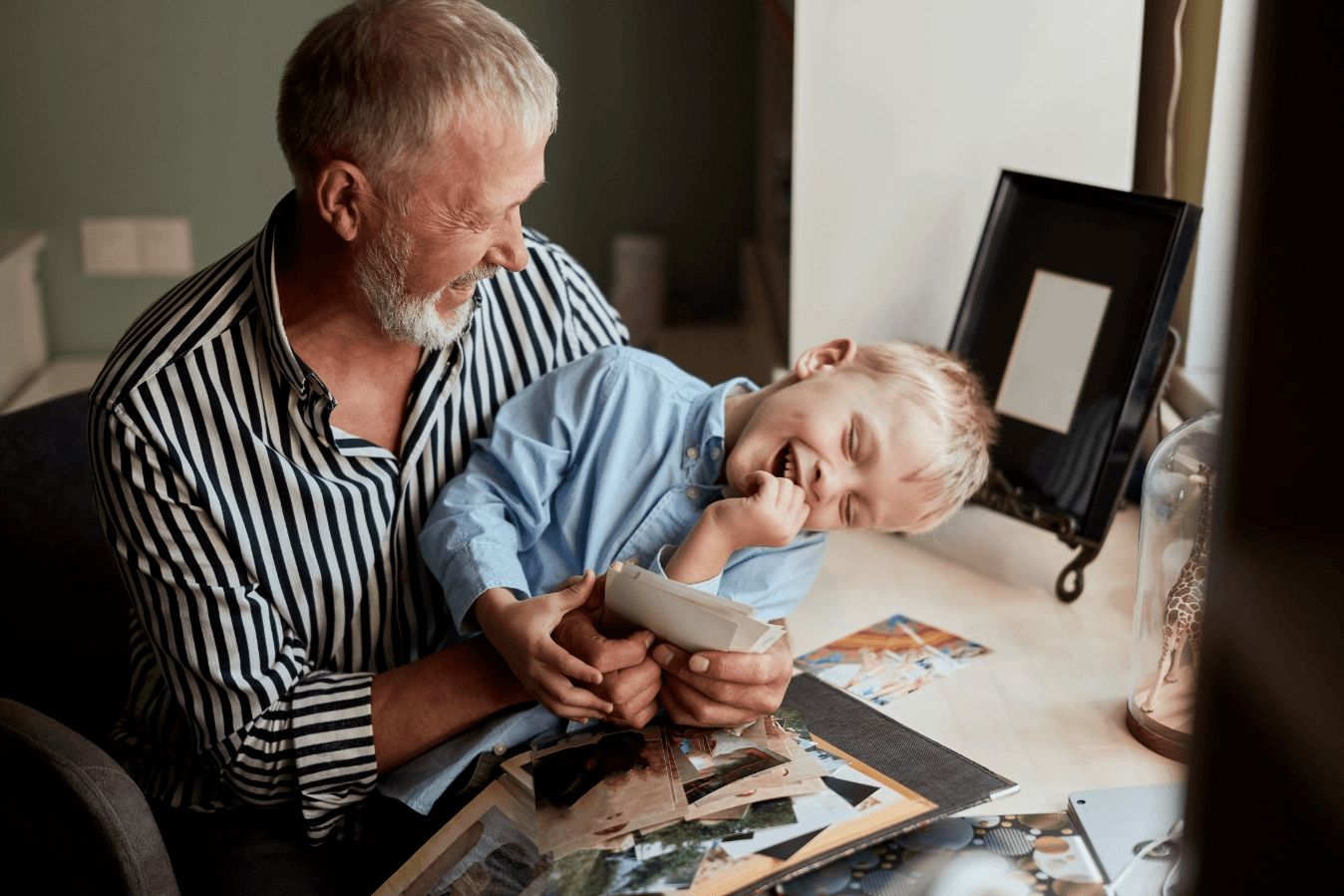
Sleep helps reduce the buildup of proteins associated with Alzheimer’s disease. It also helps you feel better and keeps your immune system healthy. Learn more about the link between Alzheimer’s and sleep, and how you can get your brain the rest it needs.

Take Care of Common Health Problems

Brain health is part of your overall health. It’s important to take care of other conditions like high blood pressure, diabetes and depression. This can help to prevent memory loss and cognitive decline.

Be Physically Active

Moving helps keep the brain healthy. It doesn't have to be intense hard or time consuming. Learn how to make an exercise plan that is right for you.

Keep in Touch
Keep in Touch

Staying social helps keep your brain healthy. Research shows that talking to people and spending time with friends and family can improve cognitive health and slow rates of memory problems. Learn how you can help your loved one to get these benefits.

Brain Health Resources for Specific Communities

Brain Health in Women

Almost 2/3 of Americans with Alzheimer’s are women. Women are at a higher risk for developing Alzheimer’s disease compared to men and women are also more likely to take on caregiver responsibilities.
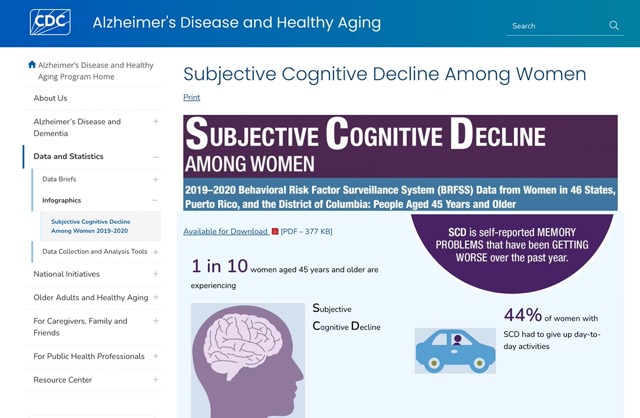
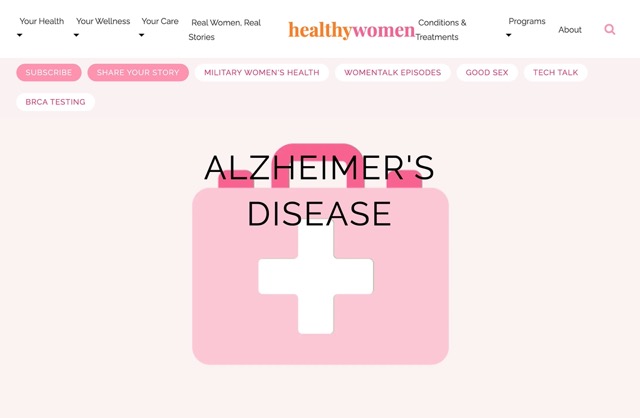
CDC Resource - Subjective Cognitive Decline Among Women (2020)

Centers for Disease Control

CDC Resource - Subjective Cognitive Decline Among Women (2020)

Advice from HealthyWomen.Org

HealthyWomen

Advice from HealthyWomen.Org

Caregiver Resources for Women

The Women’s Alzheimer’s Movement

Caregiver Resources for Women

Questions to Ask Your Doctor for Women

The Women’s Alzheimer’s Movement

Questions to Ask Your Doctor for Women

CDC Resource - Caregiving Among Women

Centers for Disease Control

CDC Resource - Caregiving Among Women

Brain Health in African American/Black People

African American/Black people are two times more likely to develop Alzheimer's than non-Latino White Americans. Check out the tailored brain health and caregiving resources below for more information:
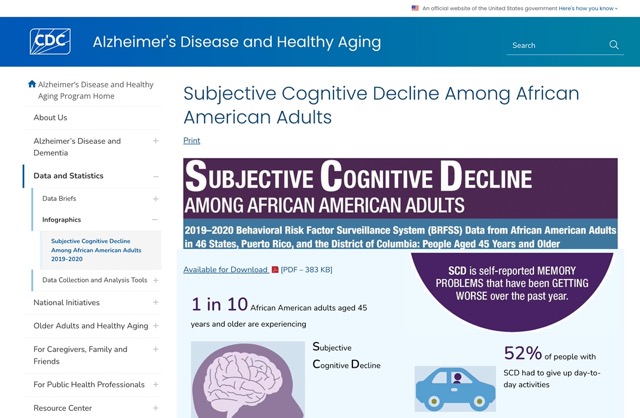
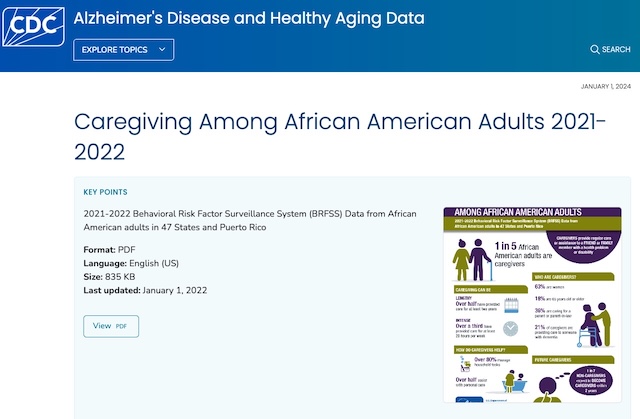
CDC Resource - Subjective Cognitive Decline Among African Americans

Centers for Disease Control

CDC Resource - Subjective Cognitive Decline Among African Americans

CDC Resource - Caregiving Among African American Adults

HealthyWomen

CDC Resource - Caregiving Among African American Adults

Faith-based Resources for Healthy Aging

The Women’s Alzheimer’s Movement

Faith-based Resources for Healthy Aging

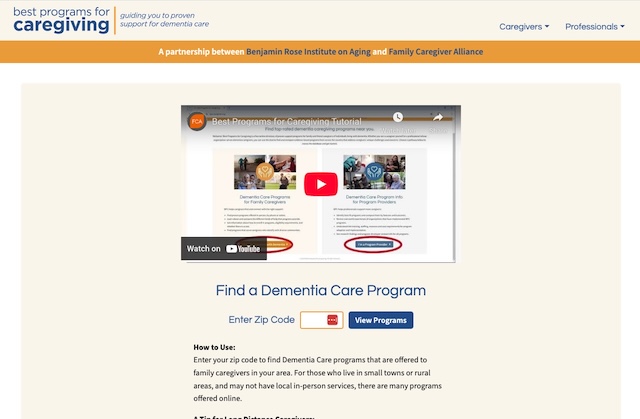
Dementia Care Program Search

The Women’s Alzheimer’s Movement

Dementia Care Program Search

Brain Health in Latino/Hispanic People

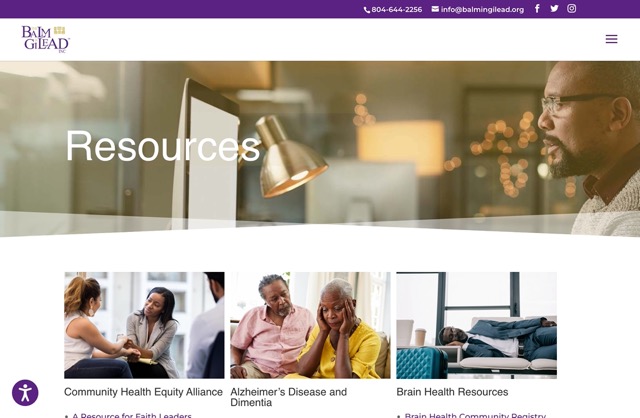
Latino/Hispanic people are 1.5x more likely to get Alzheimer's than non-Latino White Americans. Check out the tailored brain health and caregiving resources below for more information:
CDC Resource - Subjective Cognitive Decline Among Latinos (English)

Centers for Disease Control

CDC Resource - Subjective Cognitive Decline Among Latinos (English)

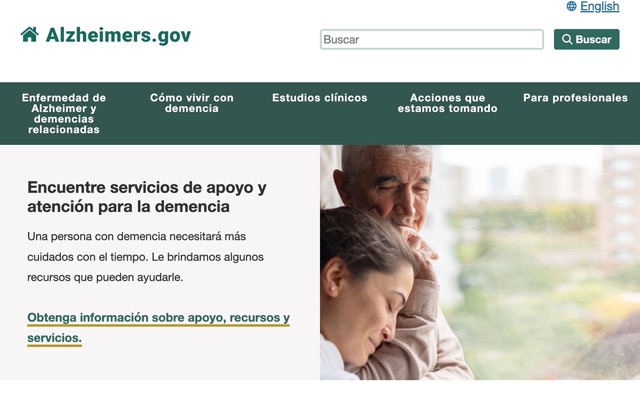
Alzheimers.gov resources in Spanish

HealthyWomen

Alzheimers.gov resources in Spanish

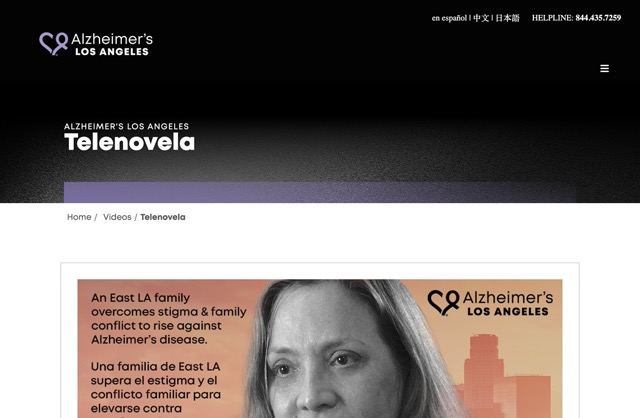
Alzheimer’s LA Telenovela about the Ramirez family facing the challenges of Alzheimer’s disease (available in English & Spanish)

The Women’s Alzheimer’s Movement

Alzheimer’s LA Telenovela about the Ramirez family facing the challenges of Alzheimer’s disease (available in English & Spanish)

Dementia Care Program Search

The Women’s Alzheimer’s Movement

Dementia Care Program Search

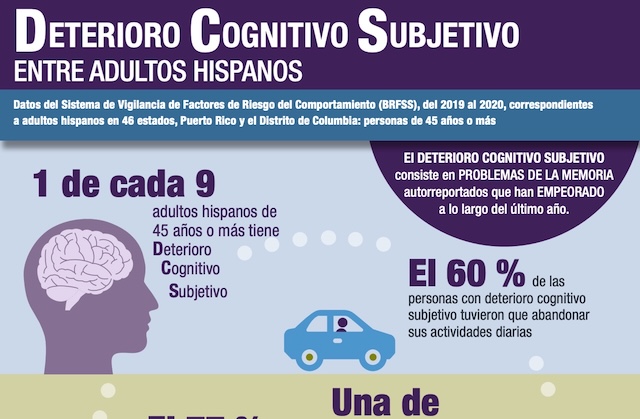
CDC Resource - Subjective Cognitive Decline Among Latinos (Spanish)

The Women’s Alzheimer’s Movement

CDC Resource - Subjective Cognitive Decline Among Latinos (Spanish)

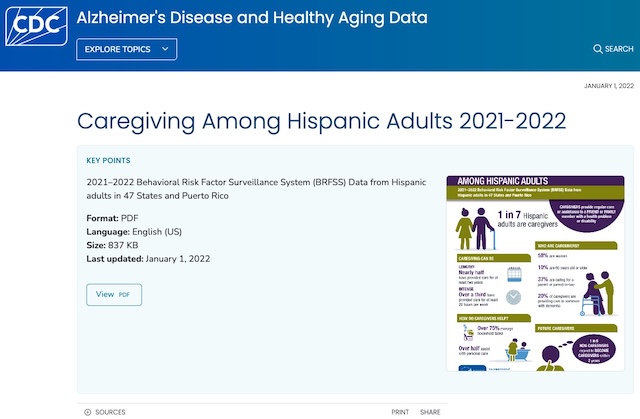
CDC Resource - Caregiving Among Hispanic Adults (English)

The Women’s Alzheimer’s Movement

CDC Resource - Caregiving Among Hispanic Adults (English)

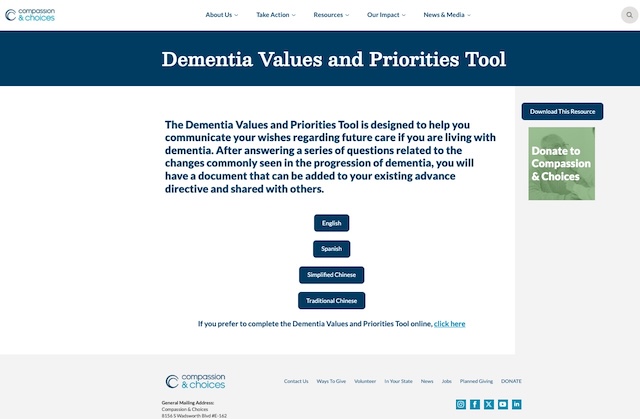
Dementia Priorities Tool (Spanish)

The Women’s Alzheimer’s Movement

Dementia Priorities Tool (Spanish)

Brain Health in Asian American and Pacific Islander People

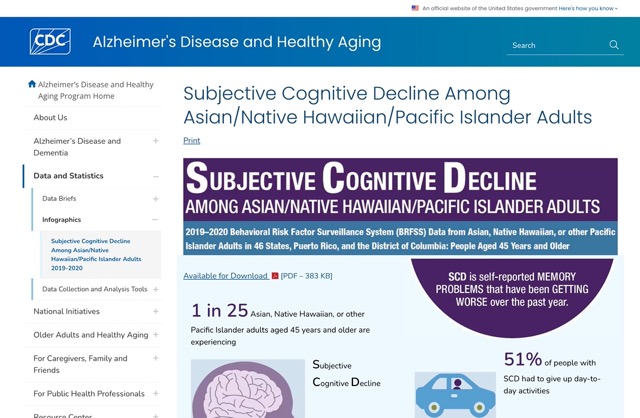
1 in 25 Asian, Native Hawaiian, or other Pacific Islander adults experience subjective cognitive decline. Check out the tailored brain health resource below for more information:

Subjective Cognitive Decline Among Asian Americans and Pacific Islanders

Centers for Disease Control

Subjective Cognitive Decline Among Asian Americans and Pacific Islanders

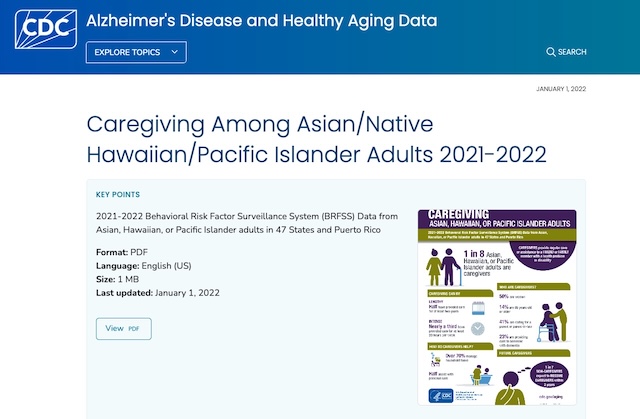
CDC Resource - Caregiving Among Asian/Native Hawaiian/Pacific Islander Adults

HealthyWomen

CDC Resource - Caregiving Among Asian/Native Hawaiian/Pacific Islander Adults

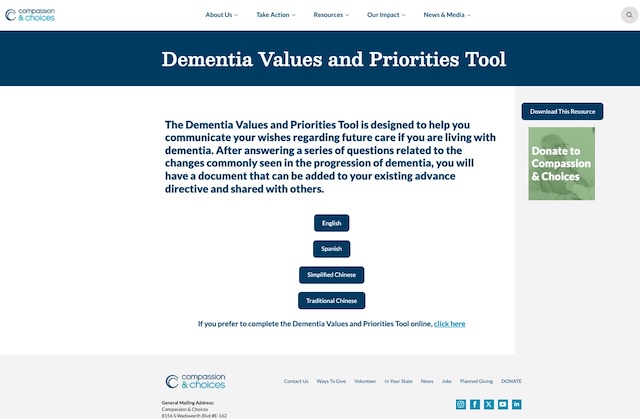
Dementia Priorities Tool (Simplified & Traditional Chinese)

The Women’s Alzheimer’s Movement

Dementia Priorities Tool (Simplified & Traditional Chinese)

Brain Health in American Indian and Alaska Native People

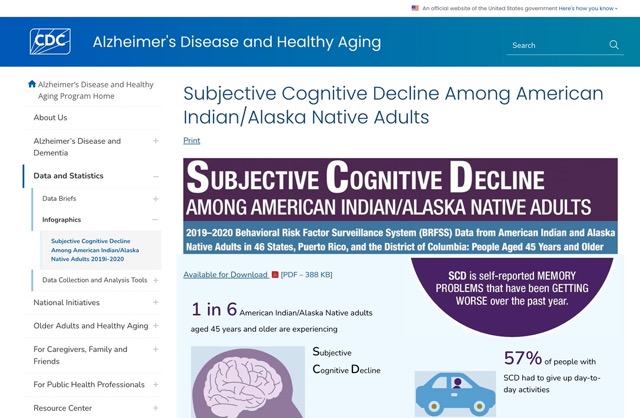
1 in 6 American Indian/Alaska Native adults experience subjective cognitive decline. Check out the tailored brain health and caregiving resources below for more information:
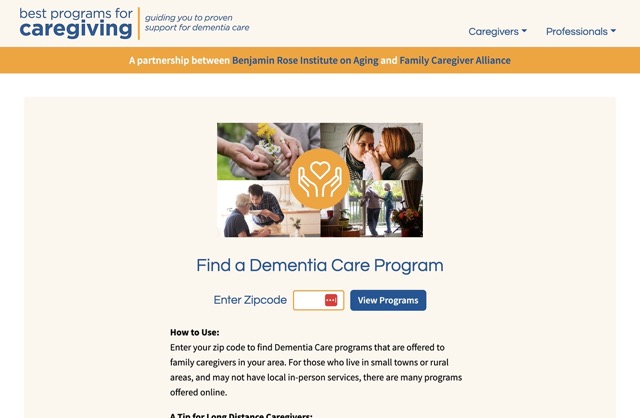
Subjective Cognitive Decline Among American Indians and Alaska Natives

Centers for Disease Control

Subjective Cognitive Decline Among American Indians and Alaska Natives

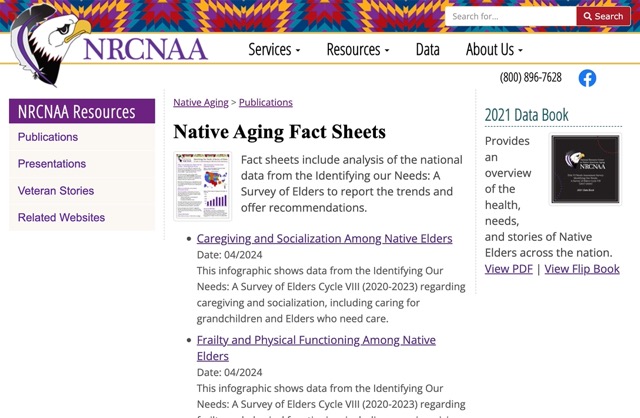
Resources Provided by the National Resource Center on Native American Aging

HealthyWomen

Resources Provided by the National Resource Center on Native American Aging

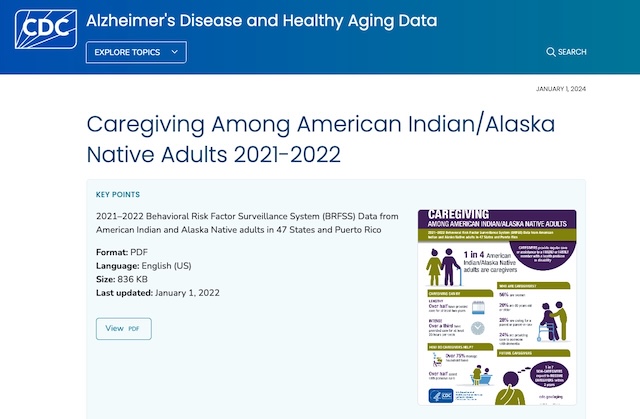
CDC Resource - Caregiving Among American Indian/Alaska Native Adults

The Women’s Alzheimer’s Movement

CDC Resource - Caregiving Among American Indian/Alaska Native Adults
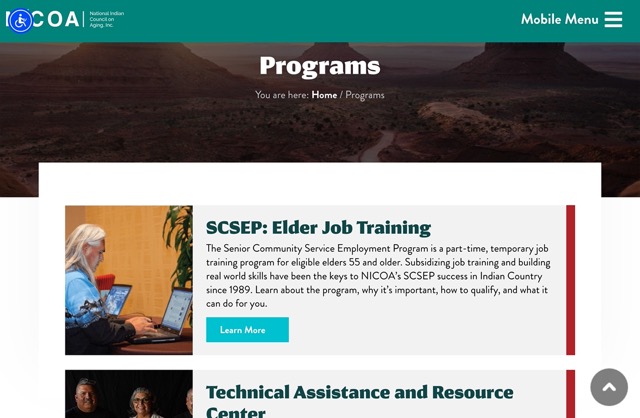
Programs Offered by the National Indian Council on Aging

The Women’s Alzheimer’s Movement

Programs Offered by the National Indian Council on Aging

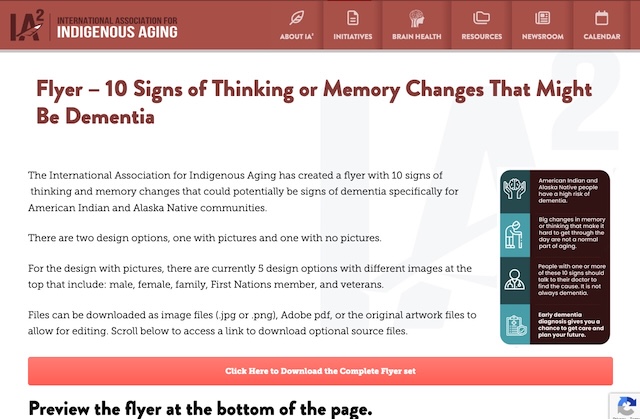
10 Signs that might be dementia

The Women’s Alzheimer’s Movement

10 Signs that might be dementia

General Resources

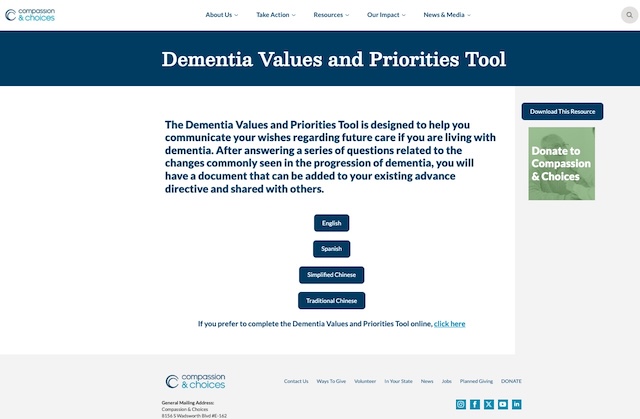
Dementia Priorities Tool

Centers for Disease Control

Dementia Priorities Tool

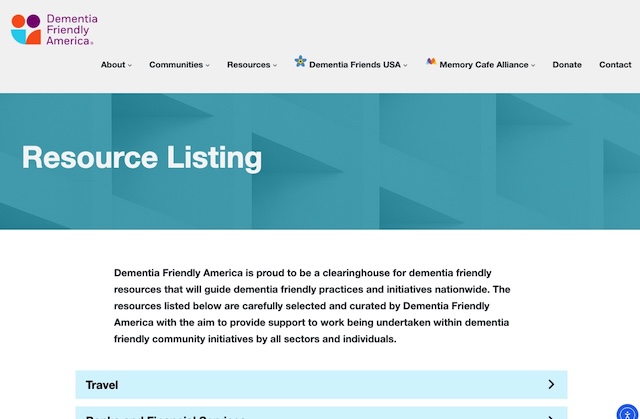
Dementia Care Program Search

HealthyWomen

Dementia Care Program Search

Resources for Caregivers & Families

HealthyWomen

Resources for Caregivers & Families

Partner Resources

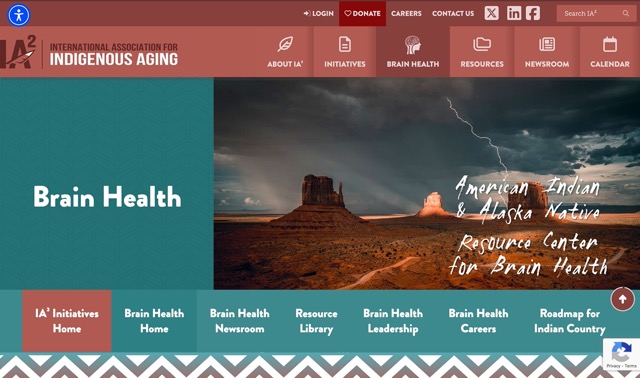
International Association for Indigenous Aging (IA2) serves American Indian and Alaska Native communities.
Centers for Disease Control

International Association for Indigenous Aging (IA2) serves American Indian and Alaska Native communities.

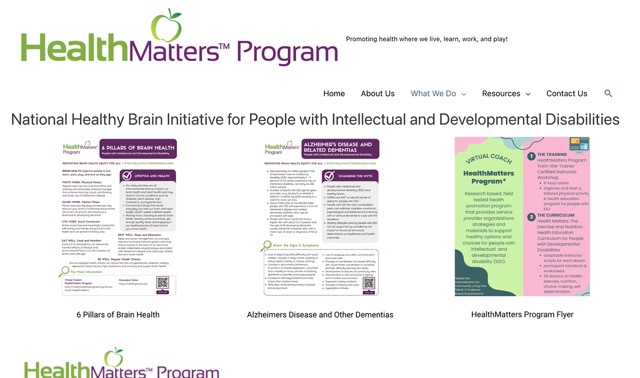
HealthMatters™ Program (University of Illinois at Chicago) serves people with intellectual and developmental disabilities (IDD), a group at higher risk for dementia

HealthyWomen

HealthMatters™ Program (University of Illinois at Chicago) serves people with intellectual and developmental disabilities (IDD), a group at higher risk for dementia

New York University leads the Public Health Center of Excellence on Early Detection of Dementia.

HealthyWomen

New York University leads the Public Health Center of Excellence on Early Detection of Dementia.
University of Minnesota leads the Public Health Center of Excellence for Dementia Caregiving

HealthyWomen

University of Minnesota leads the Public Health Center of Excellence for Dementia Caregiving

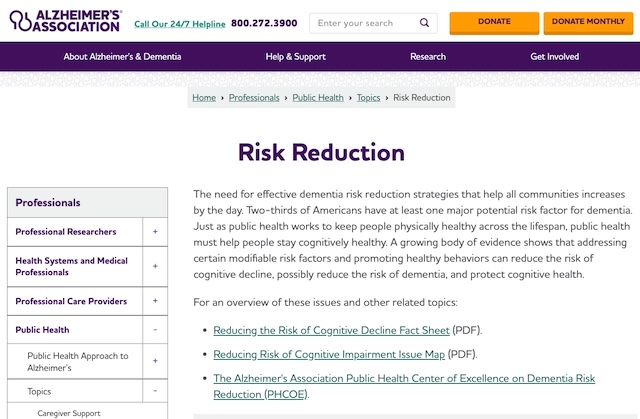
Alzheimer's Association leads the Public Health Center of Excellence on Dementia Risk Reduction

HealthyWomen

Alzheimer's Association leads the Public Health Center of Excellence on Dementia Risk Reduction

These resources are brought to you by UsAgainstAlzheimer’s Center for Brain Health Equity. The Center for Brain Health Equity works with the Centers for Disease Control and Prevention (CDC), nationally recognized experts, and community-based organizations to address brain health inequities.

Content on this page was developed with support from the Centers for Disease Control and Prevention (CDC) of the U.S. Department of Health and Human Services (HHS) as part of a financial assistance award (1NU58DP006781) totaling $1,500,000 with 100 percent funded by CDC/HHS. The contents are those of the author(s) and do not necessarily represent the official views of, nor an endorsement by, CDC/HHS, or the U.S. Government.
Talk Bubble

Brain Health Information

  • Keeping Your Brain Healthy
  • Alzheimer’s – Early Signs and Symptoms
  • Screening, Detection and Diagnosis
  • Living with Alzheimer’s Disease
  • Caregiver Resources
  • Resources Near You
  • Brain Health for All Communities

Healthcare Providers

  • Healthcare Provider Toolkit
  • Brain Health Academy

Next Steps

  • Clinical Trials
  • Brain Health Journey

About

  • About
  • FAQs
  • Contact Us

© UsAgainstAlzheimer’s 2026

Contact UsTerms & ConditionsPrivacy PolicySponsors
socialsocialsocialsocial